Custom WordPress Website
Design and Development
At Click Foundry, I build custom WordPress sites that make your projects look as good online as they do in real life.
book a consult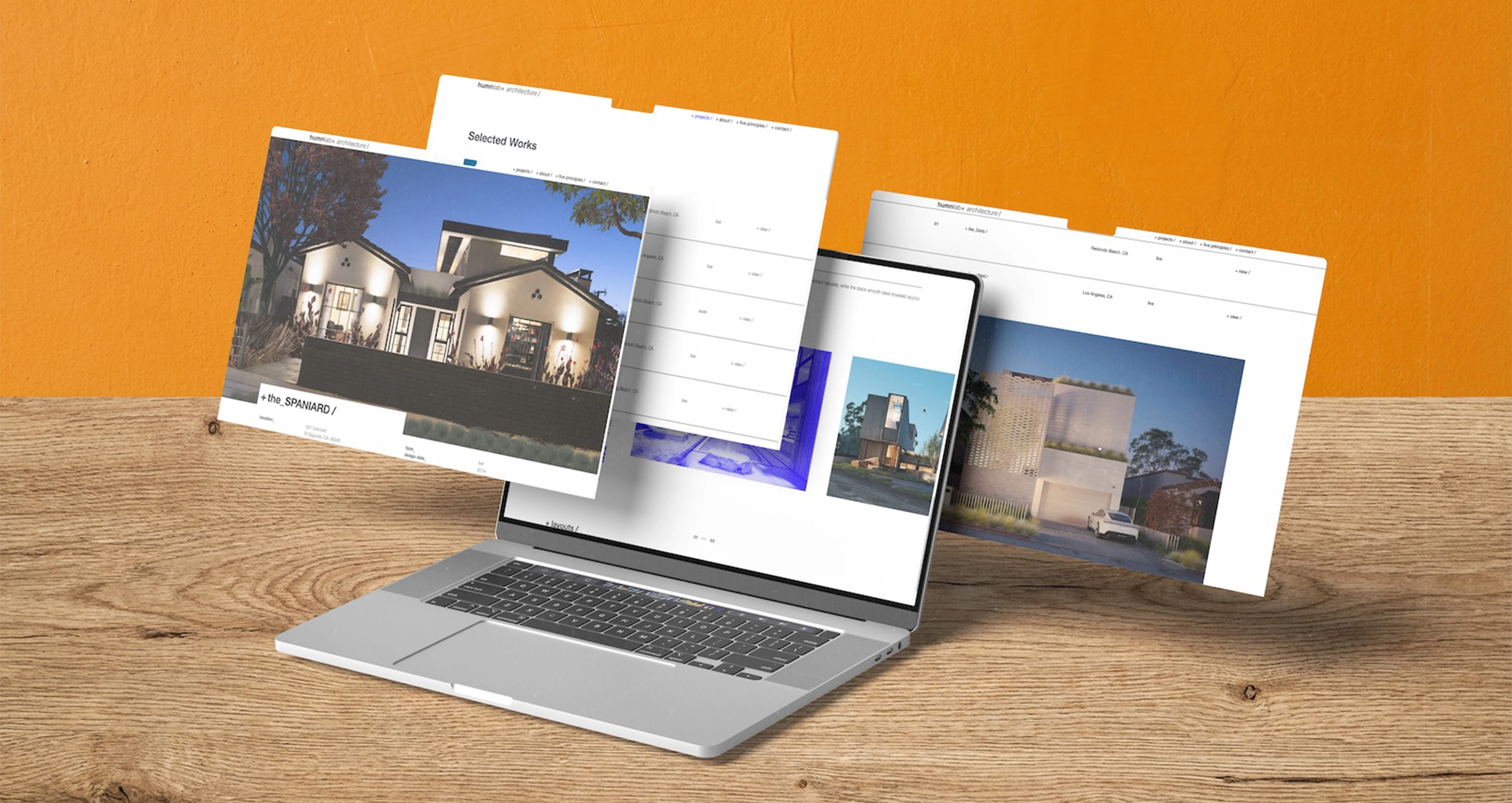
scroll-stacked story-telling for humnlab architecture
We built a custom WordPress site with scroll-triggered animations to show off the work of Humnlab+ Architecture.
view projectcapabilities












We almost always build our sites
on top of WordPress . I love it
because as a developer/designer, I can modify the system to
create perfect websites. For 22 years, a huge
community
. I love it
because as a developer/designer, I can modify the system to
create perfect websites. For 22 years, a huge
community has been
building and extending WordPress and sharing their code and insights with one another, often
just for the love of the game. At a less touchy-feely, woo-woo
has been
building and extending WordPress and sharing their code and insights with one another, often
just for the love of the game. At a less touchy-feely, woo-woo level,
that means no vendor lock-in, a ton of support, and a built-in, modifiable system to organize
information: products, marketing pages, forums, emails, lists, quotes and anything else you can
think of.
level,
that means no vendor lock-in, a ton of support, and a built-in, modifiable system to organize
information: products, marketing pages, forums, emails, lists, quotes and anything else you can
think of.
I'm making you a website, but
more meaningfully, we're crafting a
system for your organization. Most visibly, we're building a design system consisting of custom
blocks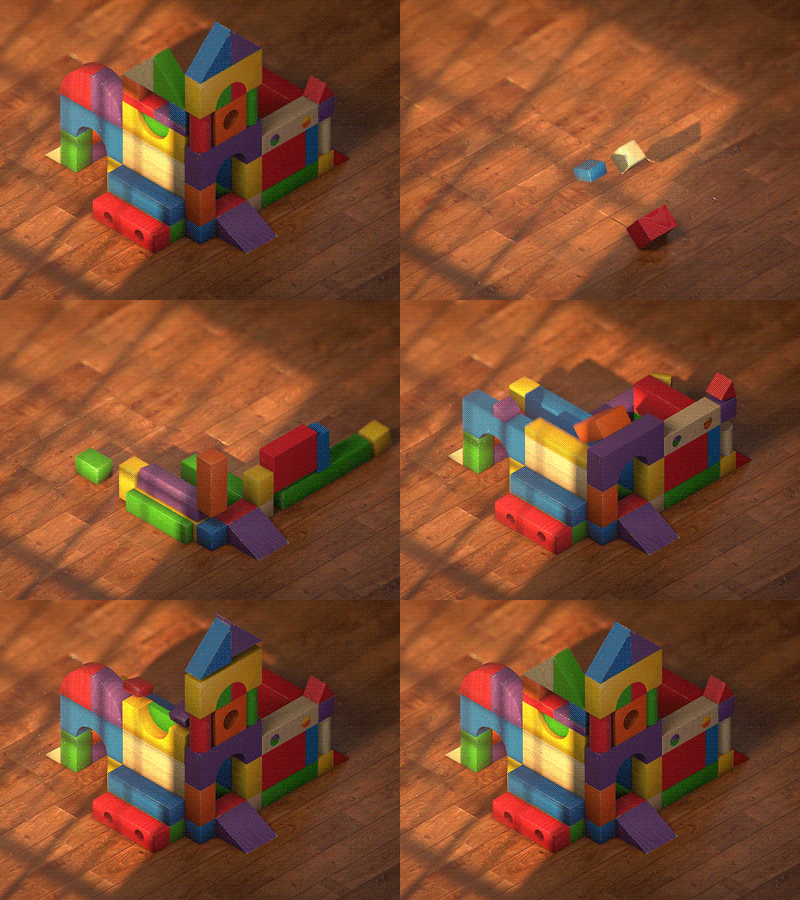 ,
fonts, and visual rules that reinforces your style
,
fonts, and visual rules that reinforces your style . Just as important,
but
far
less visible, we're building a system that
handles your business logic because the real magic happens under the surface.
. Just as important,
but
far
less visible, we're building a system that
handles your business logic because the real magic happens under the surface.
Imagine this, it's a week after
handoff , and you need to
add a post
that you'll share on your socials. You type like you would in Word, and when you want to add a
gallery, you use the custom block we built that has the numbering, arrows
, and you need to
add a post
that you'll share on your socials. You type like you would in Word, and when you want to add a
gallery, you use the custom block we built that has the numbering, arrows and background color
just how you want it. You click "publish" and 20 minutes later someone opens it up on an android
tablet and it looks good. Someone else opens it up
and background color
just how you want it. You click "publish" and 20 minutes later someone opens it up on an android
tablet and it looks good. Someone else opens it up on an
iphone, looks great. You never hear
about it. You just get some pings saying people liked your post.
on an
iphone, looks great. You never hear
about it. You just get some pings saying people liked your post.
Then you get an email from your own
website. RE: a lead that has
filled out a form. And a new draft appears in your email. Automation has kicked in.
The draft
has a prefilled message addressed to your prospective client, attached is a quote that you
should review and send. Your calendar pings—they've scheduled a call with you tomorrow at 10am.
That tracks, you had an opening at 10. And when you check your sales software it's all been
logged
has kicked in.
The draft
has a prefilled message addressed to your prospective client, attached is a quote that you
should review and send. Your calendar pings—they've scheduled a call with you tomorrow at 10am.
That tracks, you had an opening at 10. And when you check your sales software it's all been
logged and organized.
There are 200 million active
websites online right now. Many of
these sites are broken and aimless.
Even more of them look and feel the same. Building for the hundreds of variations of devices and
browsers in use today is the baseline
and aimless.
Even more of them look and feel the same. Building for the hundreds of variations of devices and
browsers in use today is the baseline of web design.
But we can do better than the baseline. Together we can stand out, delight
of web design.
But we can do better than the baseline. Together we can stand out, delight , and be remembered
 . Ultimately,
that's how we make things click.
. Ultimately,
that's how we make things click.
I've been building WordPress sites since 2014. In 2026, your site needs to be fast, responsive, and look good on everything. The elements on your site need to be able to reorganize and fit within a wide computer monitor and a narrow phone. Think through how all of that collapses down to a 375px-wide mobile view without becoming a mess.
We stay on top of visual trends, but trends come and go. I try to focus on patterns, rules, and feedback. People expect elements like navs, sliders and forms to work the way they've worked before. Simultaneously, we want to surprise or delight users with our elements. UI/UX tries to walk this line.
I send out work for UI/UX testing feedback services at the end of a design stage. That way, we get some data to see where people actually get confused or stuck. I'm aiming to build a site that is intuitive and positions your brand as top-notch.
This is also why I maintain relationships with all my clients after launch. A website isn't a one-and-done deliverable. Code changes. Search engines push new rules. Tastes and styles change. Sites are something we can iterate on based on how people actually use them.
Often during the document dump phase in discovery, clients provide images that are almost there in some way. When it comes to web design, things like that are part of the package.
I'll often make custom visual elements as well as pull from some of my asset databases. I create simple animations using Adobe AfterEffects and Lottie.js. I also do basic product photography, illustration, and photo editing using the Adobe Creative Suite.
I'm also using AI to speed up asset production. AI is part of my workflow, not a replacement for craft. If something needs a specialist, I'll tell you.
Organizing pages by how people will navigate through the site is a starting point for sites I build from scratch. This reduces duplicate content, eliminates dead pages, and gives us a clear sense of what is needed.
The second part is wireframing — a visual map of all the elements that will be on the page. Once this is complete, I consider this the end of stage one of a three-stage custom WordPress build.
After wireframes are done, we move into visual design. This includes colors, typography, imagery, spacing, and layout decisions that align with your brand and audience.
I focus on clean, modern layouts that feel intentional and easy to navigate across all devices.
During layout and mockups, I create reusable design elements in Figma that become WordPress blocks and templates. Together they form a practical style guide.
This gives you long-term consistency when handing design work to other creatives.
I build custom WordPress themes tailored to your brand — optimized for performance, SEO, and long-term flexibility.
I create custom post types and WordPress blocks so site owners can update content easily without breaking layouts. I usually include a short tutorial video.
I build custom API integrations to connect your site with CRMs, email platforms, and internal tools. No CSV exports. No brittle plugins.
The best automation is invisible.
I use GSAP and Barba.js to create subtle, performant motion that guides attention without hurting speed or accessibility.
Every site includes analytics and event tracking so decisions are based on how people actually use the site — not guesswork.
I focus on technical and on-page SEO: content structure, metadata, redirects, and performance optimization. Off-page work can be handled separately.
project crate
Dig through our recent work and check out our case studies. Enjoy!
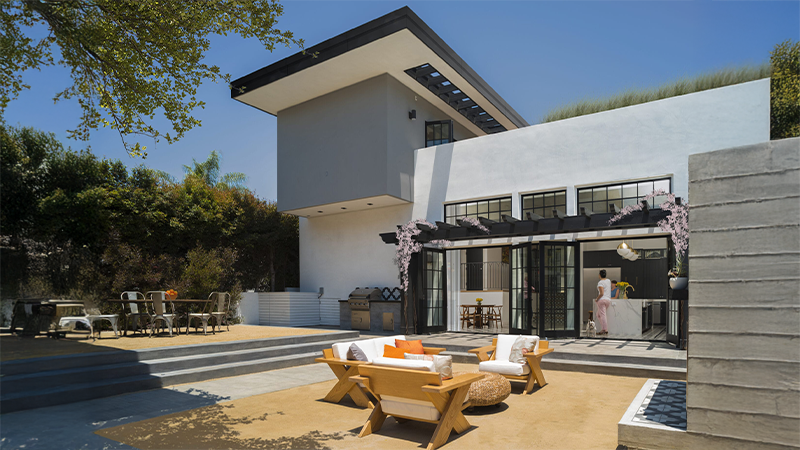
humnlab+ architecture/
Redesigned and reimagined
humnlab+ is an architecture and design firm in the South Bay. Check out how they incorporated their core philosophies for architecture into their website.
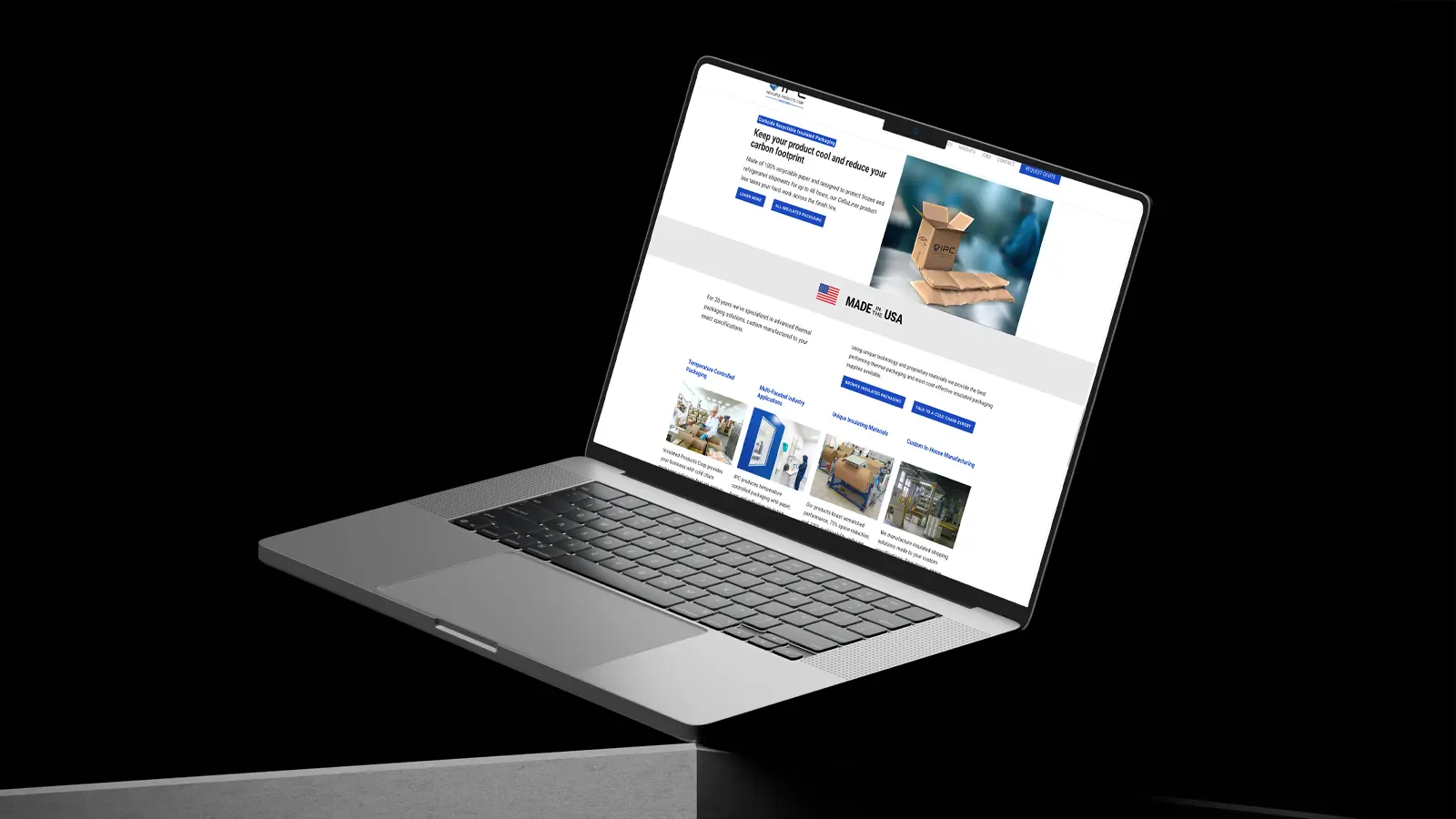
Cold Chain Manufacturer
From industry worst to top 1% performance
Cold chain manufacturers don’t lose deals because of weak demand—they lose them because speed and follow-through break down after the form fill.
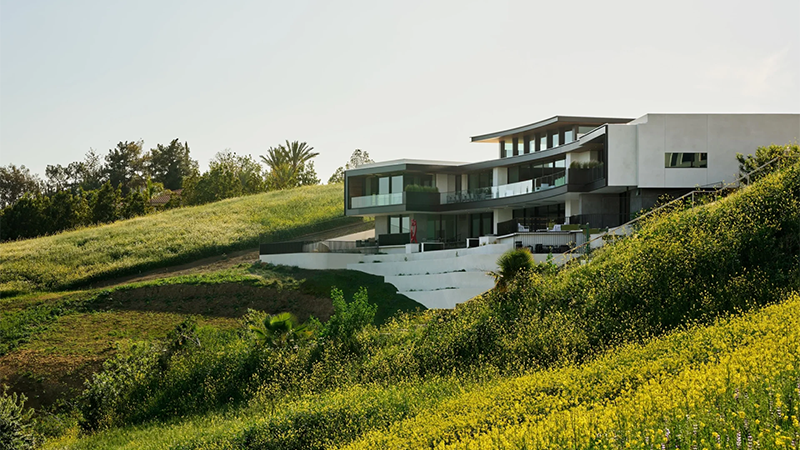
intension construction
A Los Angeles based architect led contractor
How we redesigned a WIX website into a minimalist web portfolio for Los Angeles firm INTENSIONdesign using custom post types for the portfolio and several modern javascript libraries.
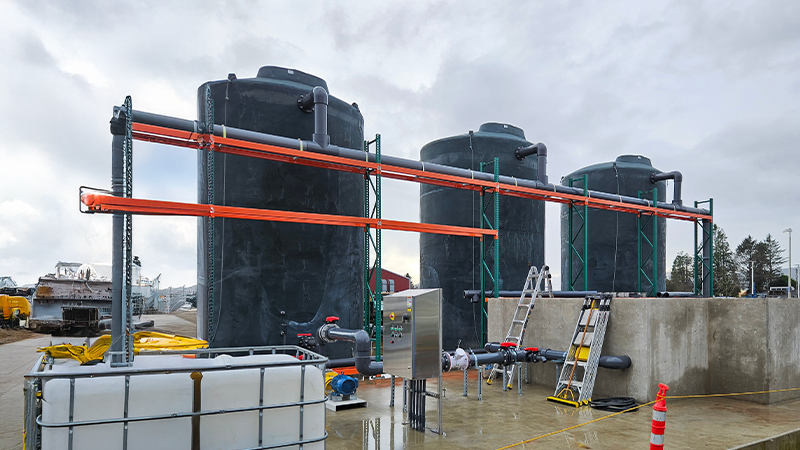
gullywasher
An overview of services and features of modern web design
From responsive web design to analytics, here are some things to consider when launching or redesigning a website.

your project can shine here
Imagine it, someone goes to your new website:
It's an instant sale/conversion! You're new customer smiles and a single tear rolls down their cheek. They're overwhelmed by the beauty and clarity of your website. Sure it sounds like we're joking, but are we? Let's talk.
The consult is free,
what are you waiting for?
Getting started is half the battle. Let's figure out your next steps. No pressure, but also click the button. Let's do this!
schedule a consultMost of the web is ugly,
together we can do  better
We make custom websites to fit your business goals. If you don't know where to start, check out some of our work or just reach out with a quick question.
book a consult