
Introduction
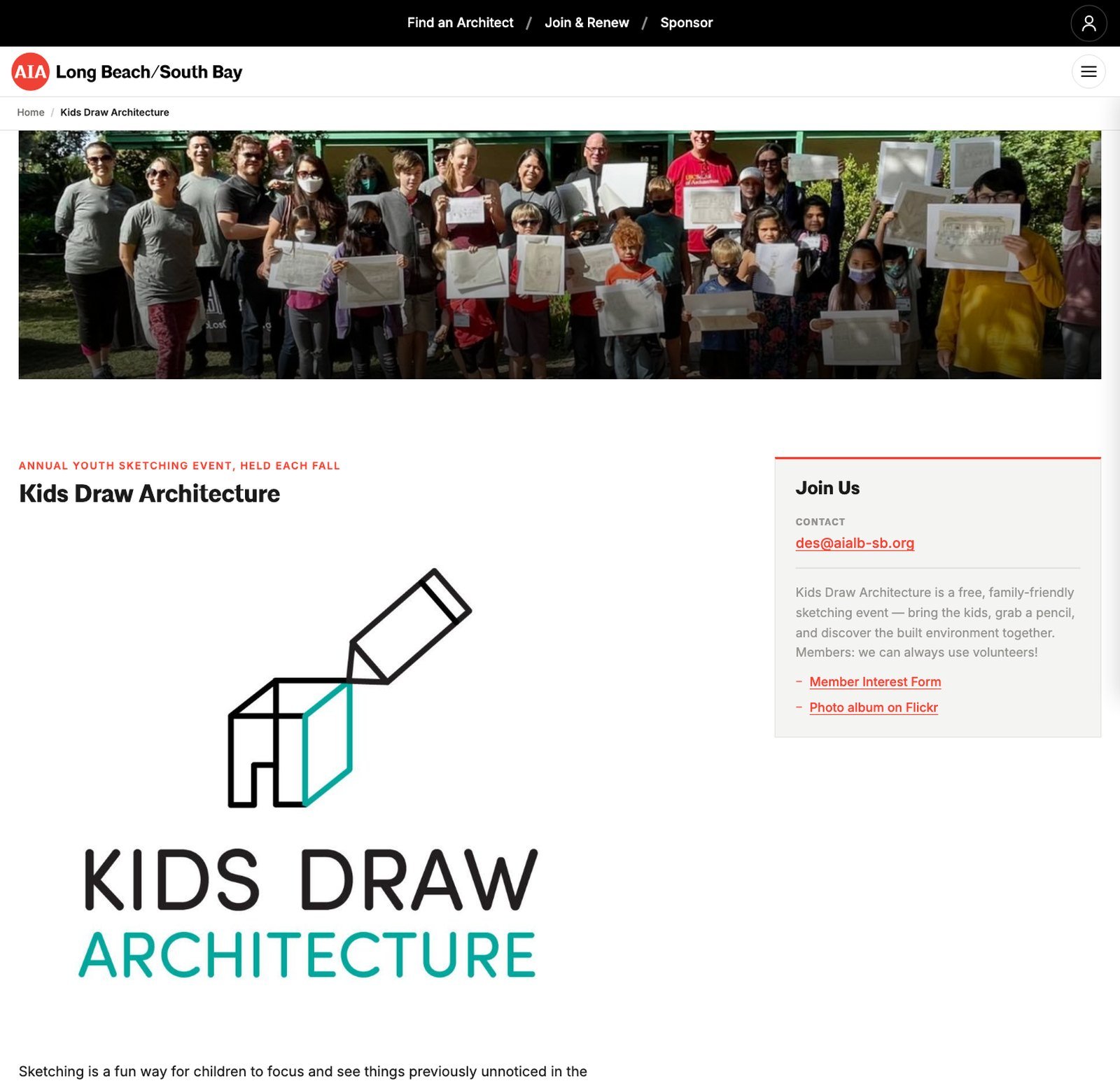
AIA Long Beach / South Bay is a chapter of the American Institute of Architects with roughly 600 members. Its website had been growing since 2015 on a Genesis child theme, a slider plugin, two block libraries, a premium business-directory plugin, and about thirty other plugins stacked on top of one another. The directory held 427 listings, 382 of them empty. Every annual program, from the design awards to Kids Draw Architecture, had been rebuilt by hand each year as a fresh set of pages.
My proposal offered two paths. A visual modernization would reskin what existed. A full reconstruction would rebuild the content model from scratch. The board voted in June.
“We voted on Tuesday night and unanimously approved moving forward with Option B: Full Reconstruction.”
Casey Chapin, AIA, chapter president
| Client | AIA Long Beach / South Bay, a chapter of the American Institute of Architects |
| Services | Discovery and content audit, design system and living style guide, custom block theme, membership platform plugin, content migration, security review, production cutover, launch support |
| Timeline | Kickoff June 8 2026. Beta September 9. Production October 6. Townhall launch October 8 2026. |
| Stack | WordPress, custom theme with 32 blocks, custom platform plugin, Ultimate Member, The Events Calendar. No page builder. |
| Live | aialb-sb.org |
Research and Analysis
The board wanted two things that pull against each other: a consistent, confident visual language, and the warm community feel the chapter is known for. They also wanted to stop paying a developer for every annual update.
Week one was an audit. I mapped the site three ways: what the menu promised, what the 66 pages actually were, and what the dynamic sections contained. I took 32 full-page screenshots and inventoried 267 events, 247 posts and ten years of content. The proposal had already called much of it debris. The audit confirmed that, and it told me what had to survive: the events archive, the member and firm directories, the award histories, and the programs the chapter runs every year.
Design Process

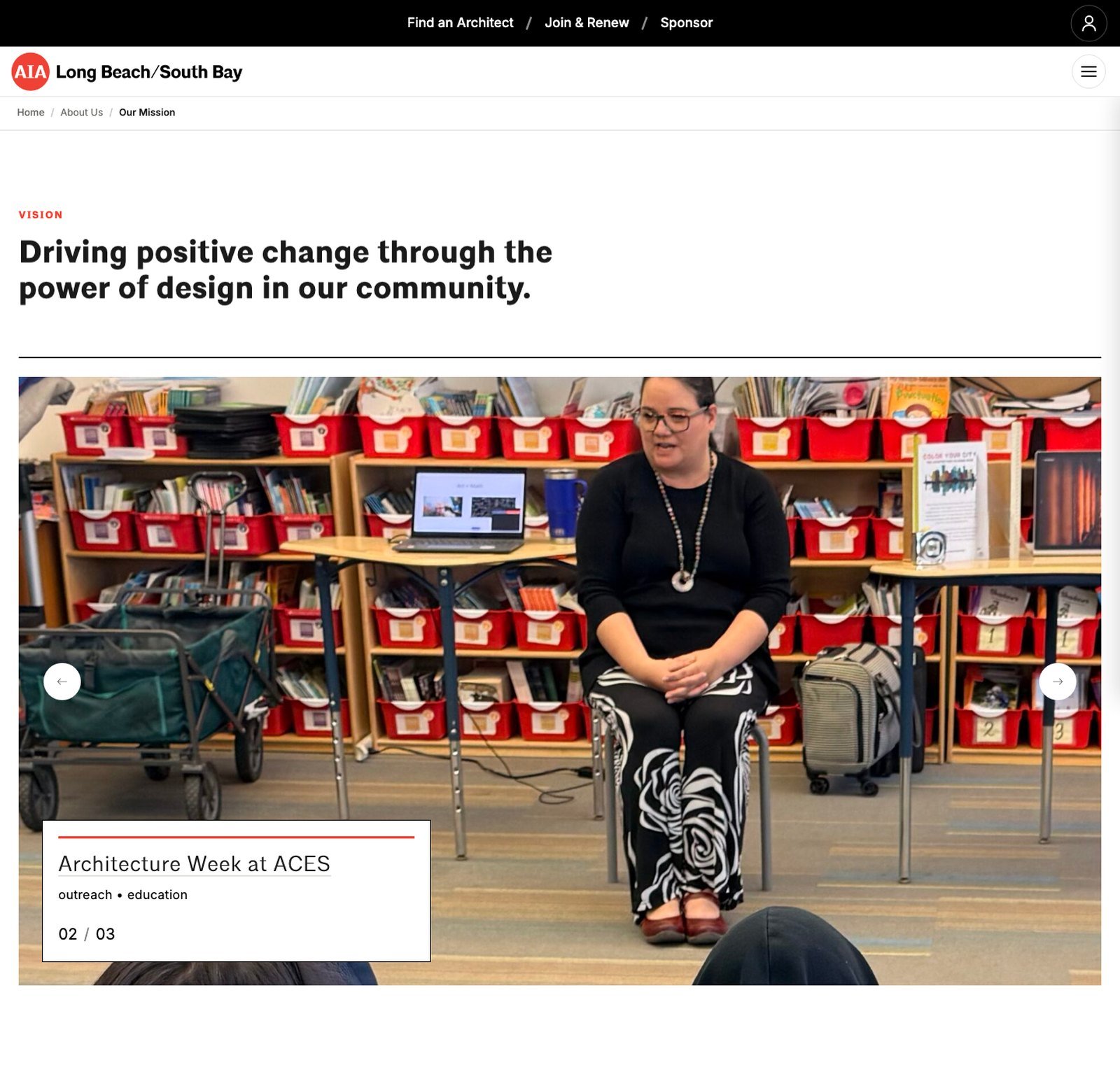
I started with a design system, not a homepage. The tokens came from the AIA brand itself: AIA Red reserved for calls to action, a black eyebrow bar, Architype display type over Inter body text. I published the system as a living style guide at a public URL and walked the committee through it in July, so every later page review was against a shared vocabulary rather than taste.
Blocks, not builders
There is no page builder on the new site. The theme ships 32 custom blocks: hero slider, content grid, call-to-action section, logo marquee, history timeline, accordion, video testimonials, and the rest. Every one of them looks like the same site, so staff cannot build an off-brand page by accident. I started with 51 blocks, audited how all 2,066 pieces of content actually used them, and retired the ones that had not earned their place.
One model for people and programs
The old site described committees, programs and spotlights three different ways. The new platform plugin describes them once. A committee, a program, a competition and a spotlight are each a record, and a single membership list links people to them. The roster on a committee page and the badges on a member’s profile read from the same place, so they never disagree. Firms are records too, which members claim and a firm administrator confirms.
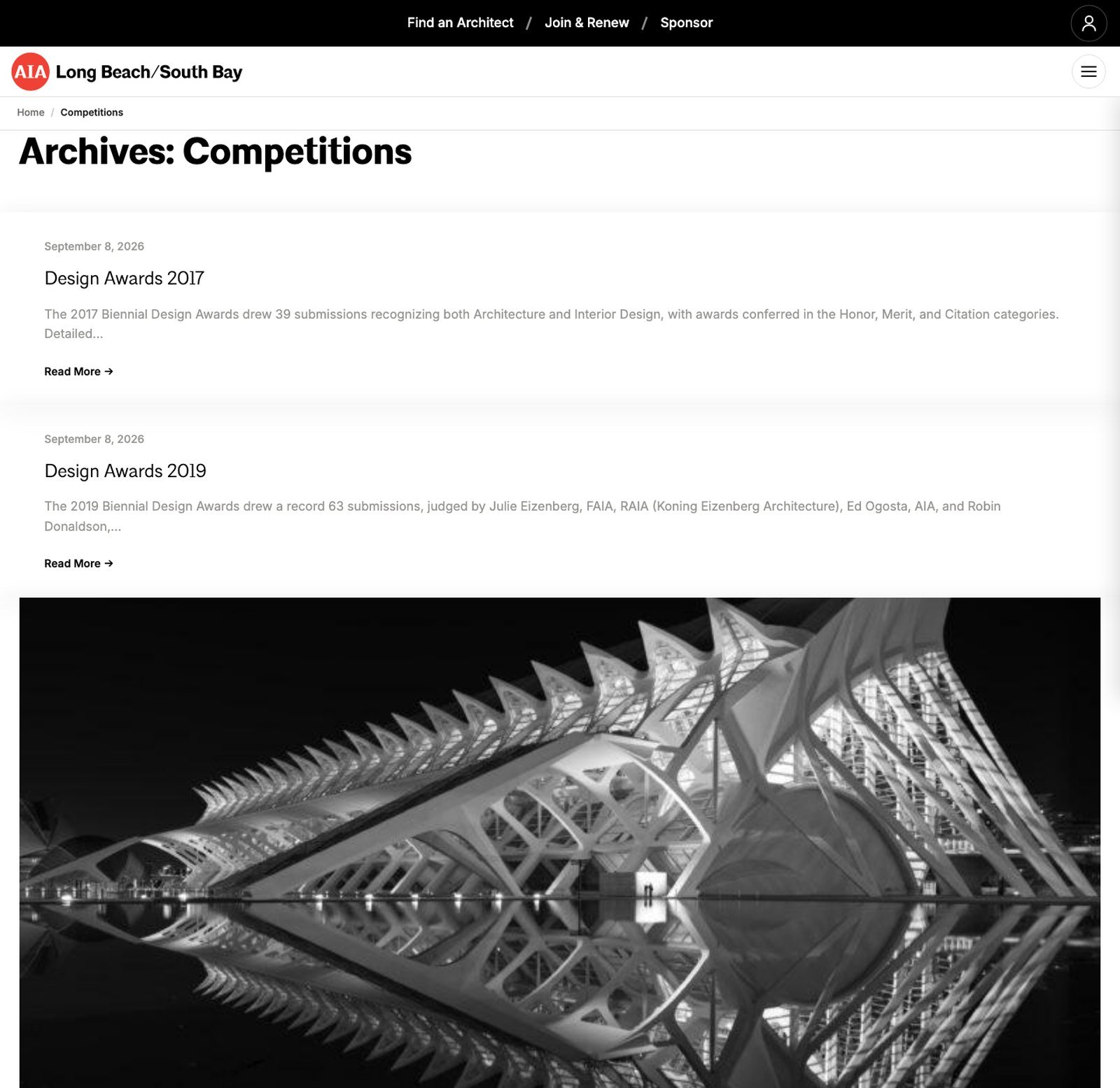
Competitions and awards get an annual edition. Each year has open, judging and winners phases, a fee, guidelines, a jury picked from the member roster, and a submission link. Staff roll last year forward, set the dates, and the site handles the rest, including the past-years archive. The 2026 Architectural Photography Competition opened on it before the site launched.
Design Solution
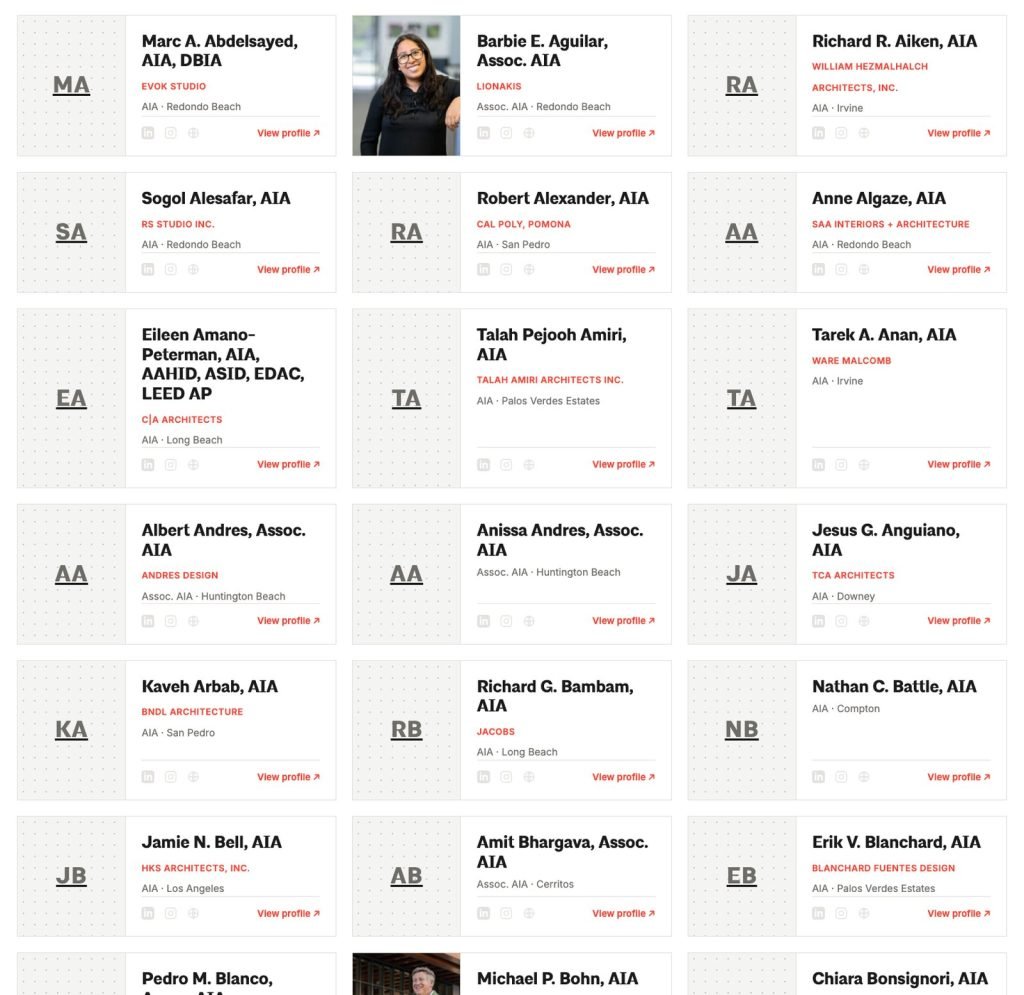
Members own their profiles
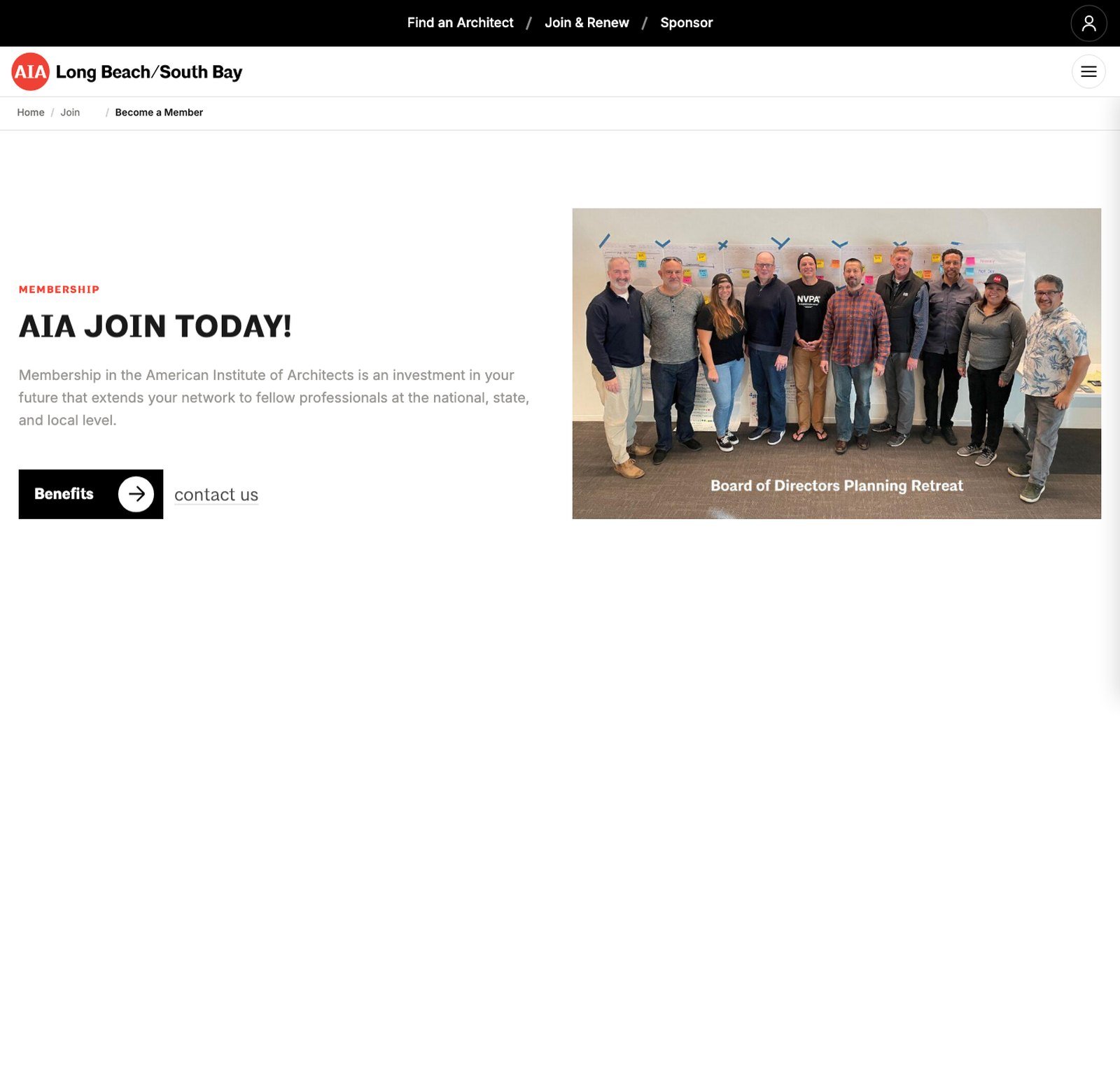
Members register, log in and edit their own profile: portrait, designation, firm, links and a three-project portfolio. The two legacy directories collapsed into one searchable member directory and one firm directory, and every old directory URL redirects to its new home.

Moving ten years of content
Nothing was pasted across. All 250 published event bodies were rewritten into the new blocks, with Eventbrite embed noise stripped from 66 of them and a “this event has passed” band added to 127. Thirty-six orphaned program pages were folded into 33 year records. Award archives were rebuilt with juror headshots recovered from the Wayback Machine where the originals were gone.
| 250 | Event bodies rewritten into blocks |
| 2,172 | Attachments carried over |
| About 620 | Member accounts created from the chapter roster |
| 44 | Firms published |
| 42 | Legacy video embeds converted, with posters |
| 632 | Breadcrumb trails computed, with 50 checked by hand |
Before beta, an automated check rendered 596 pages and tested their spacing against the design system. It found zero errors.

Launch
Ten testers, most of them from the Committee on the Environment, received invites on September 9. The whole beta produced one bug: a member’s headshot landed in the banner slot because the profile plugin called that field a “cover photo.” I fixed the wording, added size limits, and later hid banners altogether.
Before cutover I put all 45,000 lines of custom code through a technical-debt audit and a formal security review. There were no critical or high findings. I retired two staging-only plugins rather than harden them, removed a backup archive that had been reachable from the web, and cleared twenty orphaned scheduled jobs left behind by dead plugins.
On cutover day, October 6, the old site crashed on its own. The host had upgraded PHP overnight, resetting extensions and memory limits, and years of backups had filled the disk. I had it stable by noon. Then I found something worse in its database: a backdoor planted a year earlier through a code-snippets plugin, under an admin account left over from an earlier vendor. The chapter’s security service had already neutralized it. I removed the remains, audited every admin account, and opened a malware-removal ticket with the host. The new site went live that evening. The nine posts published on the old site since its last backup were re-imported the next morning, and the chapter presented the site at its Townhall two days later.
Evaluation
The chapter now has a site its staff can edit with confidence: one block vocabulary, no page builder, no plugin sprawl. Members keep their own profiles, photos, firm affiliation and portfolio current. Annual programs roll forward instead of being rebuilt. Every page carries breadcrumbs with structured data, a redirect map covers every retired URL, and the chapter owns the theme and plugin outright as packaged releases. aialb-sb.org is live.
“GOLD Standard that other chapters will be wanting”
Bryan Winters, AIA, board member